
Discovering the Timeless Elegance of Chikankari Embroidery

Chikankari traces back to the Mughal era, where it flourished under royal patronage. It is believed that Empress Noor Jahan introduced this embroidery style to the Indian subcontinent. The craft evolved in Lucknow, becoming a symbol of grace and refinement. Over time, artisans developed unique stitches and motifs, blending Persian influences with Indian aesthetics.
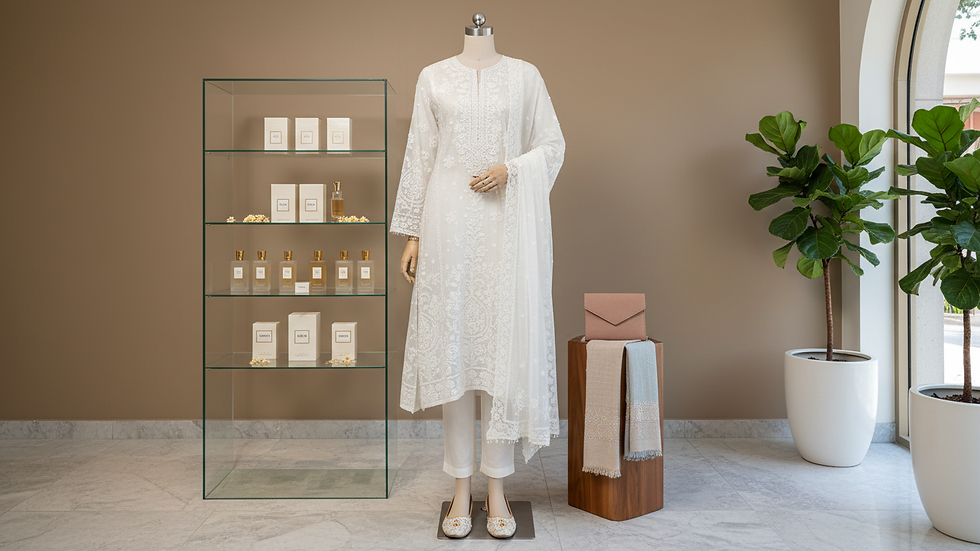
This embroidery was traditionally done on fine muslin and cotton fabrics, making it suitable for the hot climate of northern India. The delicate white-on-white embroidery became a hallmark of elegance, favored by nobility and commoners alike.
The Origins and History of Chikankari
Chikankari has a rich history that reflects the cultural tapestry of India. It began as a royal art form, cherished by the elite. The intricate designs and skilled craftsmanship made it a sought-after choice for formal occasions. As time progressed, Chikankari became accessible to a broader audience, allowing more people to appreciate its beauty.
The evolution of Chikankari has been influenced by various factors, including trade and cultural exchanges. This has led to a fusion of styles, making it a versatile choice for modern fashion. Today, Chikankari is not just a traditional craft; it has become a statement of style and sophistication.
Understanding the Techniques Behind Chikankari
Chikankari involves a variety of stitches, each contributing to the overall texture and design. The process is meticulous and requires skilled hands to execute the fine details.
Key Stitches in Chikankari
Backstitch (Taanka): Used for outlining motifs, this stitch forms the base of many designs.
Chain Stitch (Ghaspatti): Creates a textured, raised effect, often used for floral patterns.
Shadow Work (Bakhiya): A signature technique where the embroidery is done on the reverse side, creating a shadow effect on the front.
Running Stitch (Hool): Simple yet effective, it forms the foundation for many patterns.
Satin Stitch (Zanzeera): Fills in petals and leaves with smooth, dense embroidery.
Each stitch requires precision and patience, often taking hours to complete a small section. The combination of these stitches results in a delicate, lace-like appearance.
Materials Used in Chikankari
Traditionally, artisans use fine cotton or muslin fabric as the base. The threads are usually white cotton, maintaining the subtle elegance of the embroidery. However, modern adaptations include colored threads and fabrics, expanding the design possibilities while respecting the traditional techniques.
The Motifs and Patterns in Chikankari
Chikankari designs draw inspiration from nature and Mughal art. Common motifs include:
Floral patterns such as lotus, jasmine, and rose
Paisleys and vines
Geometric shapes and lattice work
Animal figures like peacocks and parrots
These motifs are arranged in symmetrical patterns, often covering the entire garment or accentuating specific areas like sleeves, collars, and borders.
The Process of Creating a Chikankari Piece
Creating a Chikankari garment involves several stages:
Design Transfer: The pattern is first drawn on paper, then transferred onto the fabric using a washable ink or chalk.
Embroidery: Skilled artisans hand-stitch the design, often working in teams to complete large pieces.
Washing and Finishing: After embroidery, the fabric is washed to remove markings and enhance softness.
Stitching the Garment: Finally, the embroidered fabric is tailored into garments such as kurtas, sarees, and dupattas.
This labor-intensive process highlights the value of each piece, reflecting hours of craftsmanship.
Modern Adaptations and Global Appeal
While Chikankari remains rooted in tradition, designers have embraced modern styles to keep it relevant. Contemporary fashion incorporates Chikankari in:
Casual wear with lighter, breathable fabrics
Fusion outfits combining western cuts with traditional embroidery
Accessories like scarves, bags, and home décor items
International designers have also showcased Chikankari on global runways, introducing this art form to new audiences. The blend of heritage and innovation ensures that Chikankari continues to thrive.
Caring for Chikankari Embroidery
Preserving the beauty of Chikankari requires careful handling:
Hand wash or use gentle machine cycles with mild detergent
Avoid wringing or twisting the fabric
Dry in shade to prevent discoloration
Iron on low heat, preferably with a cloth over the embroidery
Proper care maintains the fabric’s softness and the embroidery’s delicate texture.
Supporting Artisans and Sustainable Fashion
Chikankari is more than embroidery; it supports the livelihoods of many skilled artisans. Choosing authentic hand-embroidered pieces promotes sustainable fashion and helps preserve this cultural heritage. When purchasing Chikankari, look for:
Handcrafted labels or certifications
Artisans’ stories or cooperative groups
Quality of stitches and fabric
By supporting these craftspeople, consumers contribute to the survival of traditional arts and ethical fashion practices.
The Versatility of Chikankari in Everyday Fashion
Chikankari is not just reserved for special occasions. Its versatility makes it suitable for everyday wear as well. I love incorporating Chikankari pieces into my daily wardrobe. Whether it's a simple kurta paired with jeans or a chic dupatta draped over a casual outfit, Chikankari adds a touch of elegance to any ensemble.
The lightweight fabric and breathable nature of Chikankari make it perfect for warm days. I often find myself reaching for a Chikankari top when I want to feel stylish yet comfortable. The intricate embroidery elevates even the simplest of outfits, making it a go-to choice for various occasions.
Chikankari for Festive Occasions
When it comes to festive occasions, Chikankari shines even brighter. The intricate designs and rich heritage make it a favored choice for celebrations. I adore wearing Chikankari sarees or lehengas during festivals and weddings. The craftsmanship speaks volumes about tradition and elegance.
Pairing Chikankari with statement jewelry enhances the overall look. The subtle beauty of the embroidery complements bold accessories beautifully. Whether it's a family gathering or a festive celebration, Chikankari outfits ensure I stand out while feeling comfortable.
Gifting the Charm of Chikankari
Chikankari pieces make for thoughtful gifts. The artistry and craftsmanship behind each piece tell a story that resonates with many. Gifting a Chikankari outfit or accessory is a way to share a piece of culture and elegance with loved ones.
I often choose Chikankari items for birthdays or special occasions. The recipient appreciates the uniqueness and beauty of the gift. It’s a wonderful way to introduce someone to the charm of traditional Indian craftsmanship.
In conclusion, Chikankari embroidery is a timeless art form that continues to captivate hearts. Its rich history, intricate techniques, and modern adaptations make it a cherished choice for various occasions. By embracing Chikankari, we not only celebrate our heritage but also support the artisans who keep this beautiful craft alive.


Comments